I used to think light blue was either too babyish or too cold. After repainting three bedrooms and returning one duvet, I finally learned how it behaves with texture, wood tones, and warm lighting. These rooms feel calm, not staged — the kind I actually sleep in.
I’ll show what I changed, what went wrong, and the small swaps that made the room feel like mine.
25 Aesthetic Light Blue Bedroom Inspiration Ideas For A Calm Retreat
These 25 ideas are practical and lived-in — each one is something I’ve tried, corrected, or loved. Expect real fixes, quick swaps, and clear notes on what to buy. I cover paint, textiles, lighting, plants, and small furniture tweaks to get a calming light blue bedroom.
1. Soft Blue Walls with Warm White Trim
I painted my bedroom a pale blue and kept the trim a warm white. The white trim stopped the blue from feeling cold and made the architectural details pop. At first I chose a blue that leaned too gray; the room looked flat. Repainting to a slightly warmer blue fixed that.
Pay attention to natural light — north-facing rooms may need a touch warmer blue. I rolled the wall and brushed the trim for a clean edge.
What You’ll Need for This Look
- Pale blue interior paint sample (light, warm undertone)
- Warm white trim paint (semi-gloss)
- Angled paint brush (2-inch)
2. Layered Neutral Textiles That Make a Room Feel Finished
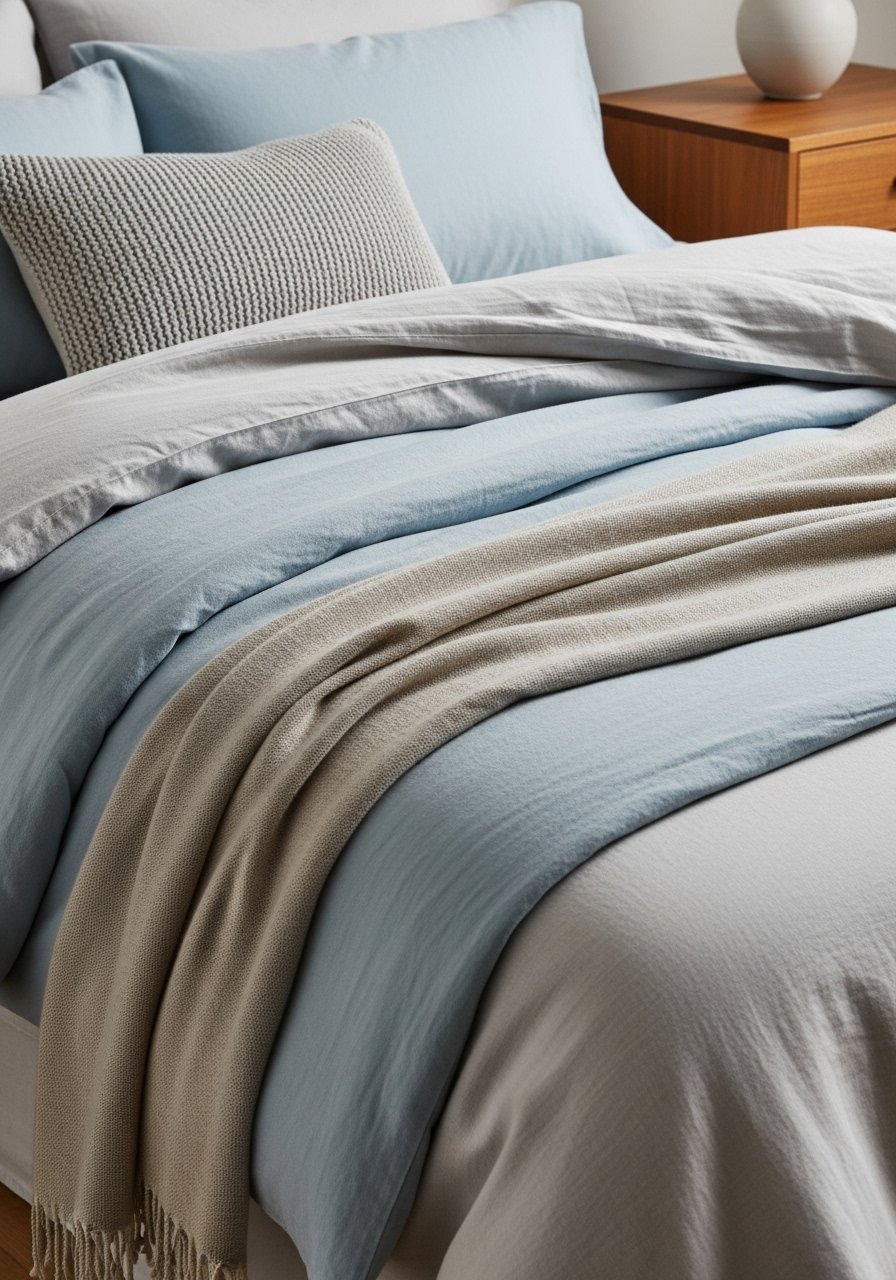
I stopped buying matching sets and started layering textures: a light blue linen duvet, off-white cotton sheets, and a chunky knit throw. The contrast of textures keeps the blue soft and homey. I once bought a shiny blue duvet that looked great in the catalog but felt plastic in bed — lesson learned.
Mix textures in small doses. Add one patterned pillow and one tactile throw, and the bed reads intentional, not showroom.
What You’ll Need for This Look
- Light blue linen duvet cover (queen)
- Off-white cotton sheets (300-400 TC)
- Cream chunky knit throw blanket (50×60)
3. Pale Blue Accent Wall Behind the Bed
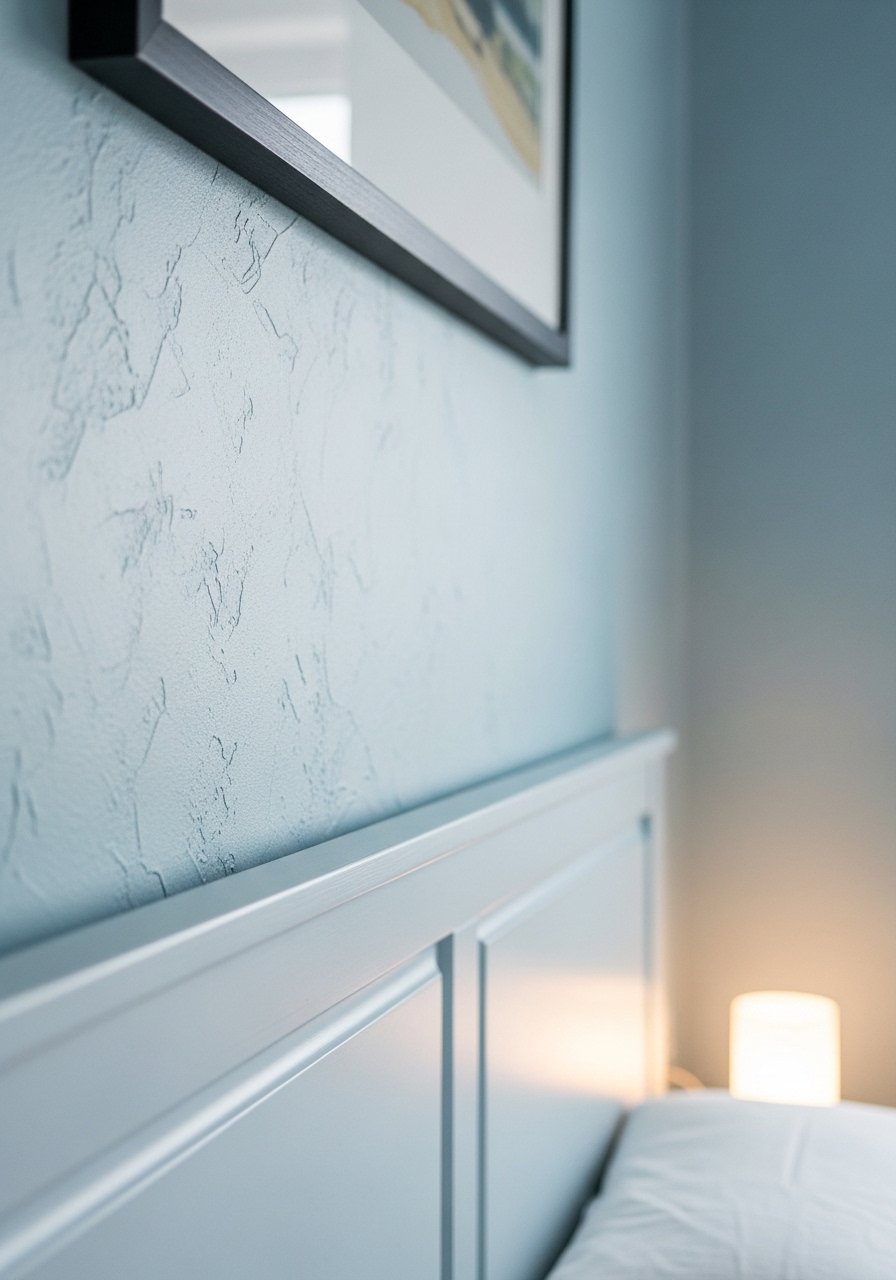
I painted only the wall behind the bed in a soft blue and left the rest neutral. That single wall made the bed feel anchored without turning the whole room blue. My first attempt used a high-gloss finish — it highlighted every brush mark. Satin finish solved that.
This works especially well in small rooms where full-room color feels oppressive. Keep bedding neutral and let the wall be the subtle statement.
What You’ll Need for This Look
4. Sky-Blue Ceiling for a Cozy, Cocooned Feel
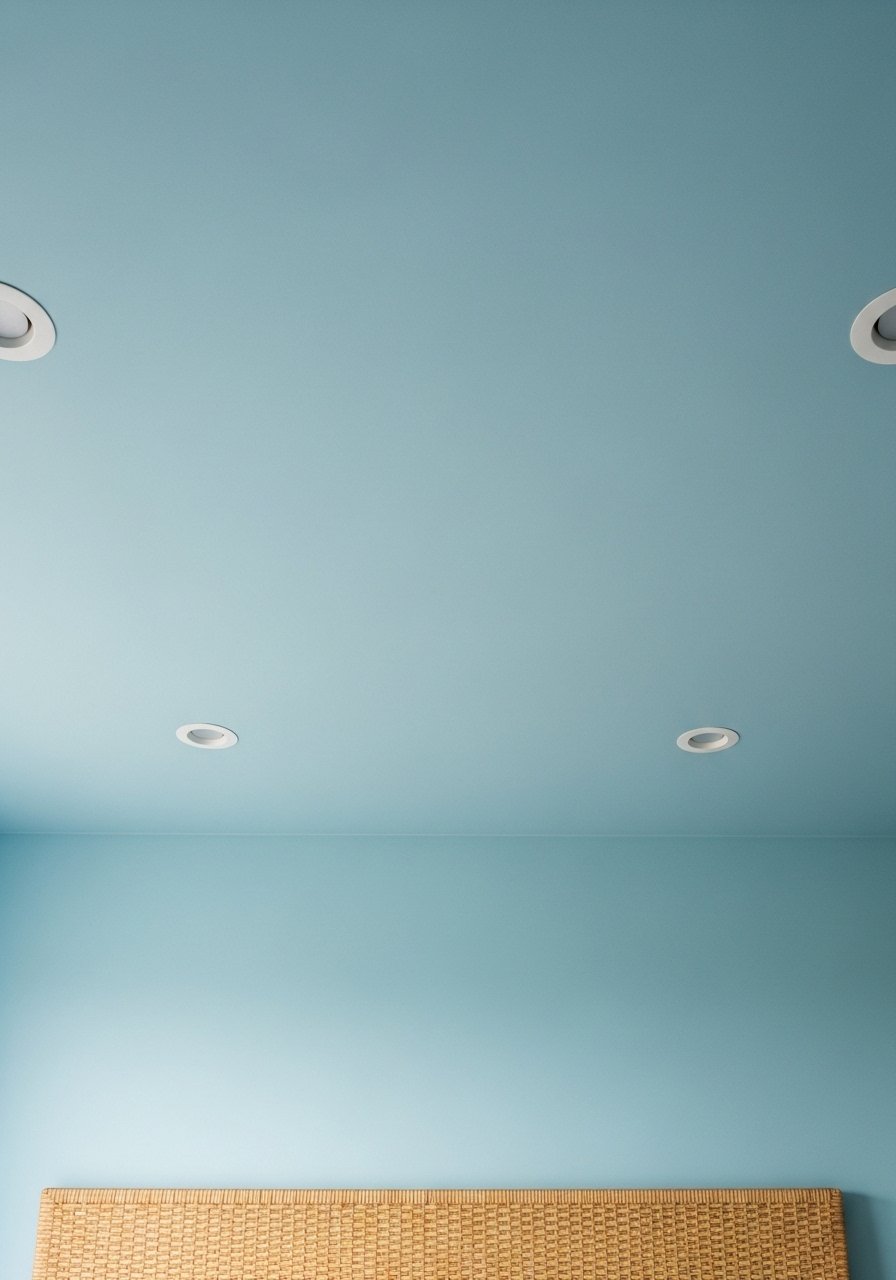
Painting the ceiling sky-blue made my room feel calm and slightly cocooned, like being under a soft sky. At first I worried it would make the ceiling feel low; instead it added warmth and depth. Use a lighter shade than the walls to avoid heaviness.
This trick is subtle but changes your whole perception of the space. Keep overhead lighting warm so the blue reads cozy, not cold.
What You’ll Need for This Look
5. Blue Velvet Headboard for a Touch of Soft Luxury
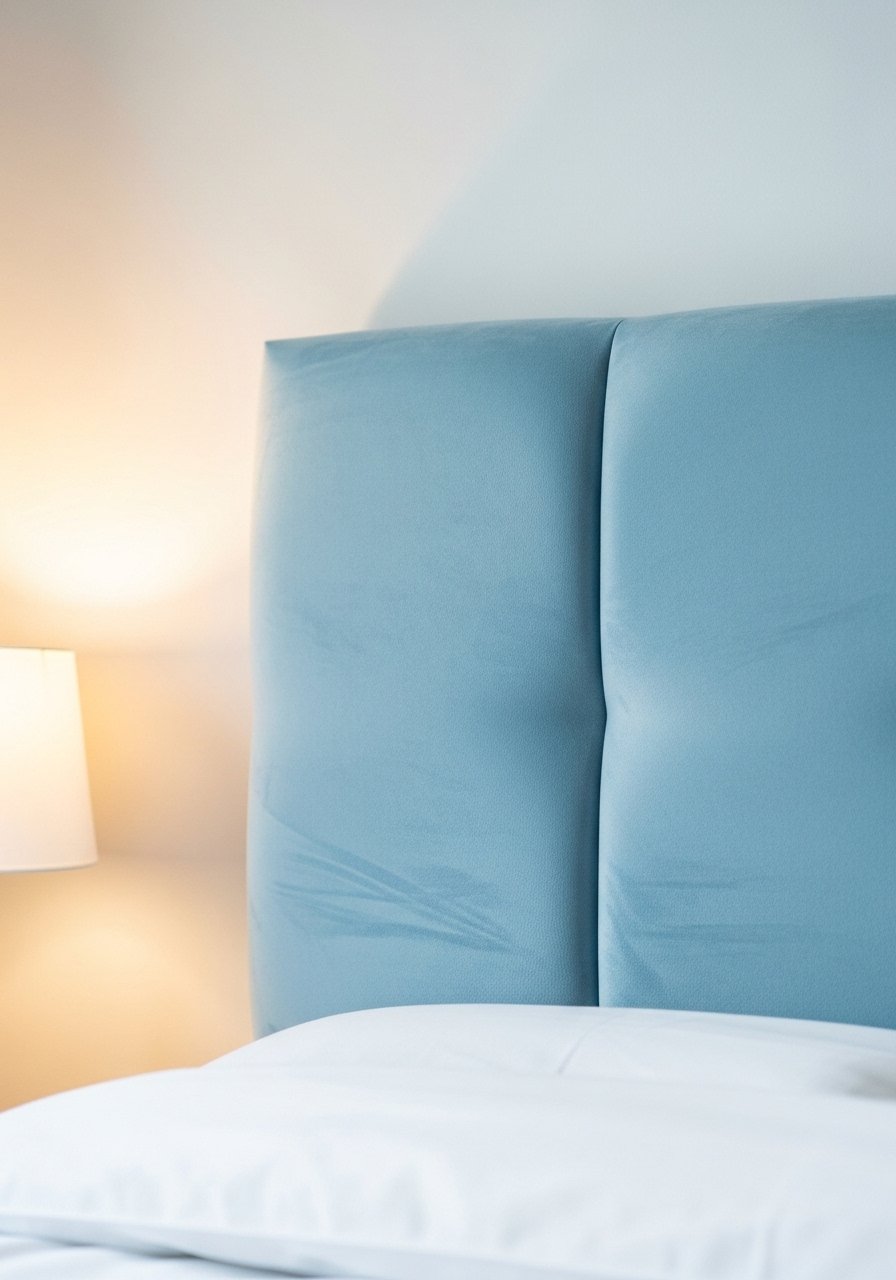
I added a light blue velvet headboard and suddenly the room felt calmer and more intentional. Velvet reads luxe without being fussy. My mistake was buying a headboard that was too tall — it overpowered the space. Swapping to a lower profile balanced the bed.
Velvet also softens light and makes the bed the focal point. Keep surrounding decor simple to avoid competing textures.
What You’ll Need for This Look
6. Mix Blues with Warm Wood Furniture
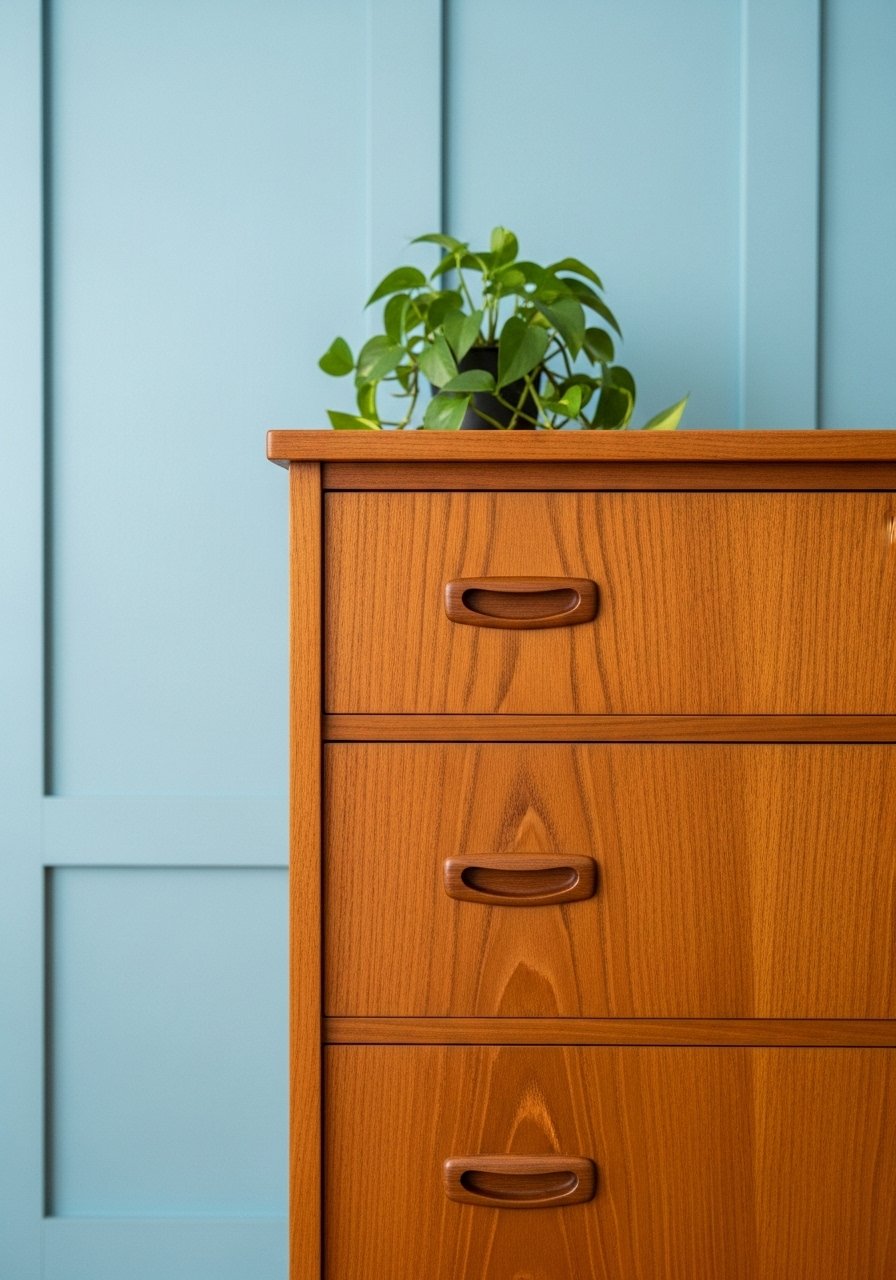
Pairing light blue walls with warm wood pieces added balance in my room. I used a walnut dresser and it cut the coolness of the blue. Early on I matched every piece to the paint and it felt flat. Introducing wood brought life and warmth.
Aim for one or two wood tones, not a dozen. The contrast is calming and keeps the palette grounded.
What You’ll Need for This Look
7. Subtle Blue Patterned Wallpaper on One Wall
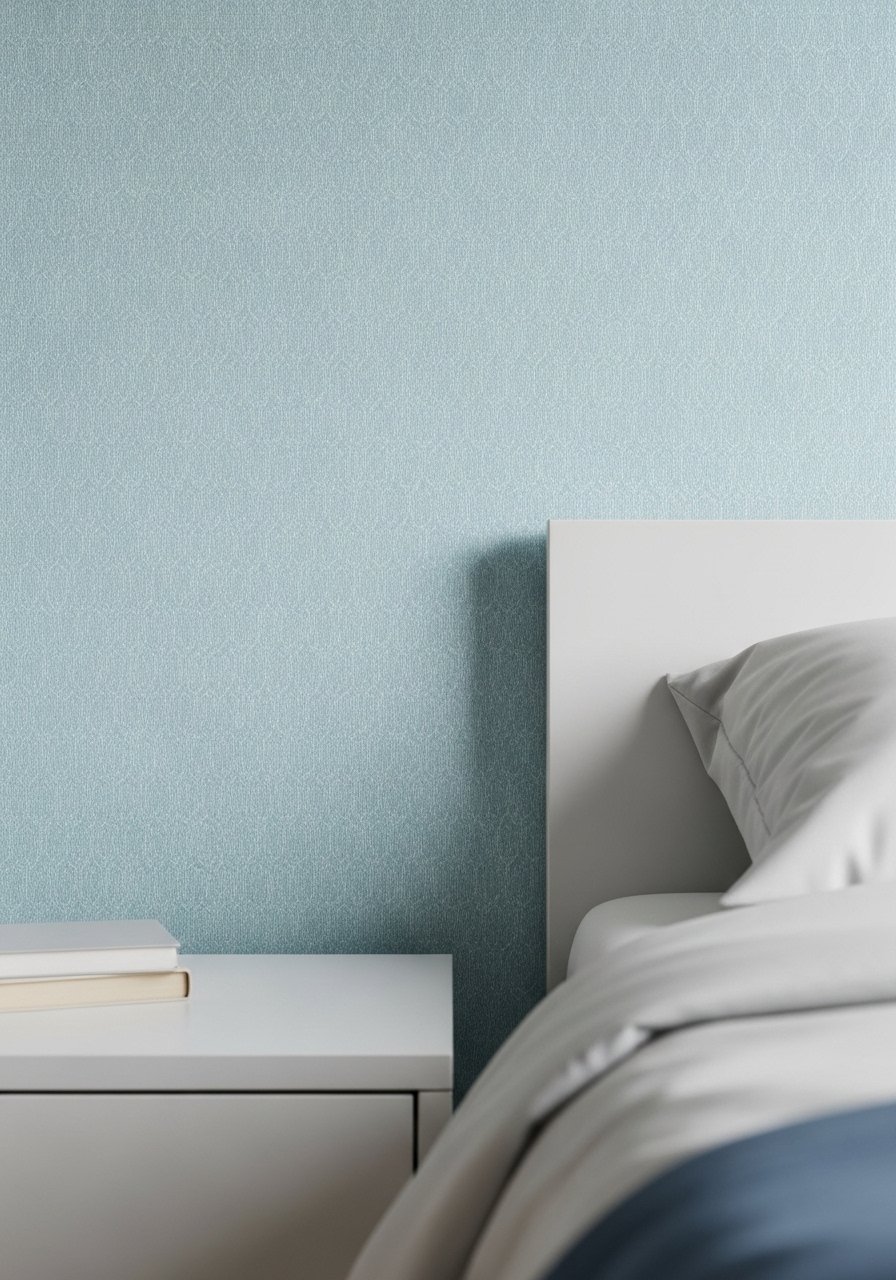
I tried a soft blue patterned wallpaper behind my nightstand and loved the gentle personality it added. The pattern was small-scale, so it didn’t overwhelm. I did make one mistake: I chose a glossy paper that highlighted imperfections. Matte peel-and-stick was the fix.
Use wallpaper sparingly in bedrooms. It’s an easy way to add interest without heavy color.
What You’ll Need for This Look
8. Muted Blue Botanical Prints Over the Bed
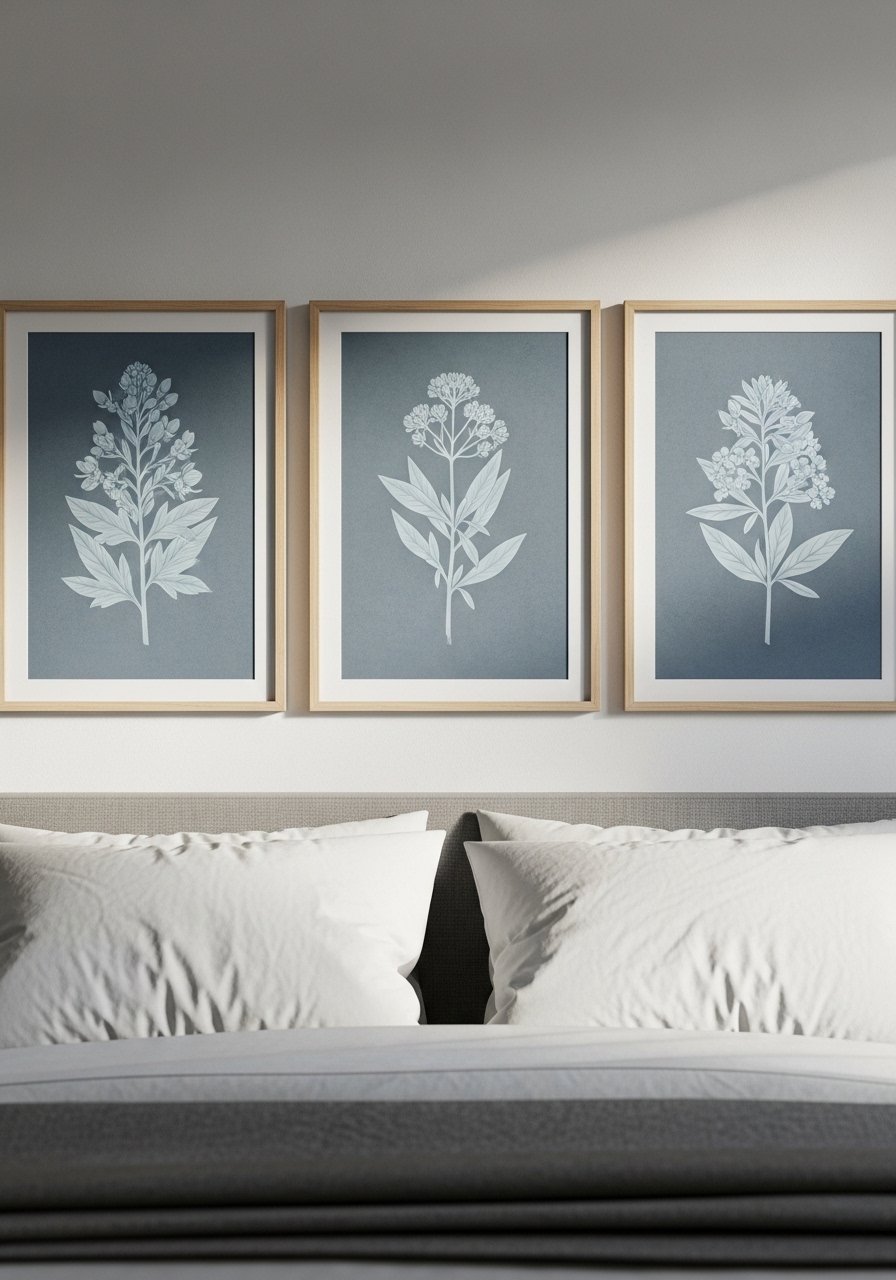
Botanical prints in muted blues made my walls feel layered and calm. I grouped two prints above the bed and they read like intentional art, not clutter. My early frames were too ornate and distracted; switching to slim, white frames helped the art breathe.
Keep the scale close to the bed width and choose prints with soft edges for a relaxed feel.
What You’ll Need for This Look
9. Soft Blue Sheer Curtains for Airy Light
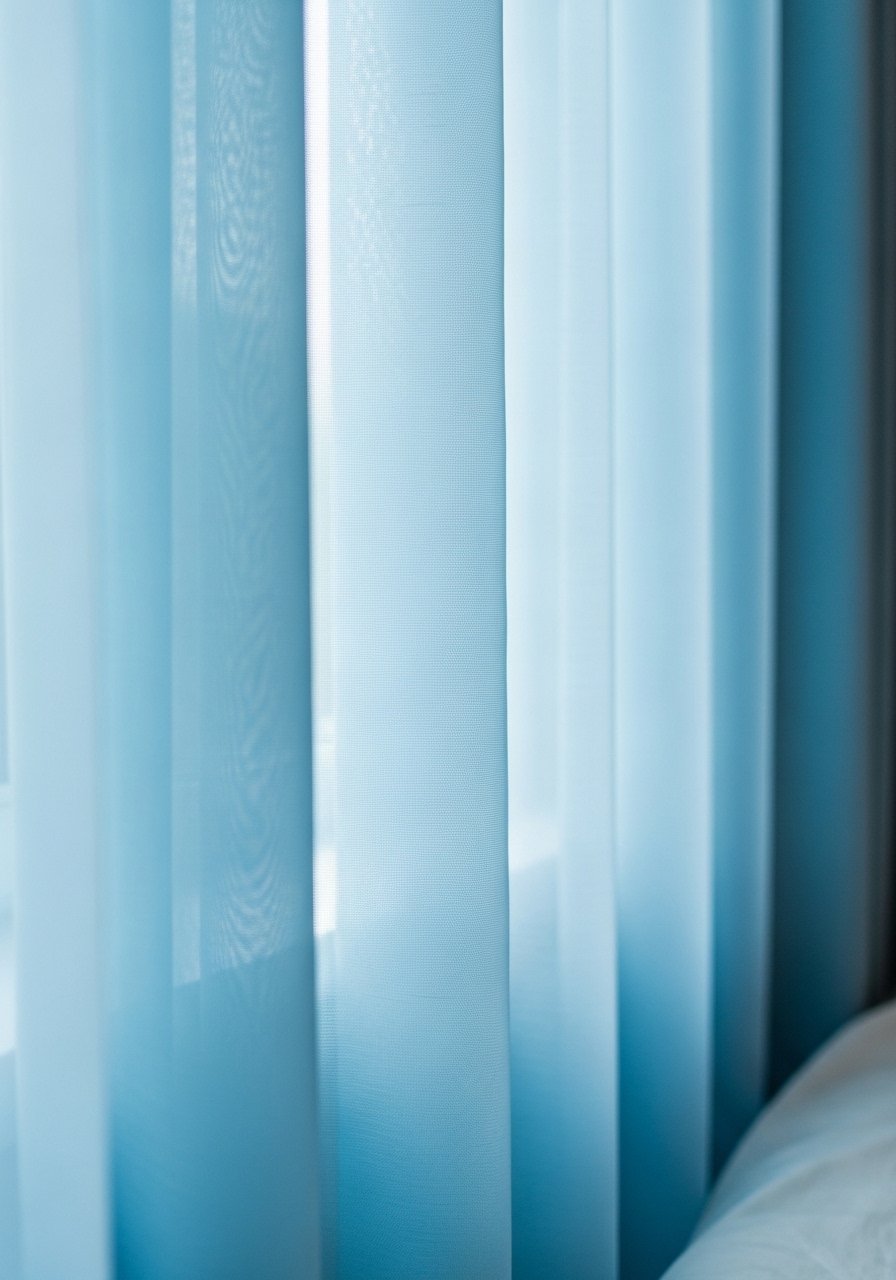
I swapped heavy drapes for light blue sheers and the room instantly felt more open. Sheers diffuse light so the blue looks soft on walls and bedding. My mistake was layering two heavy panels — the room looked fussy. One sheer panel per window kept things airy.
If you need privacy, pair sheers with a simple roller shade. The combination gives softness and function.
What You’ll Need for This Look
10. Layered Rugs with a Blue Accent Rug
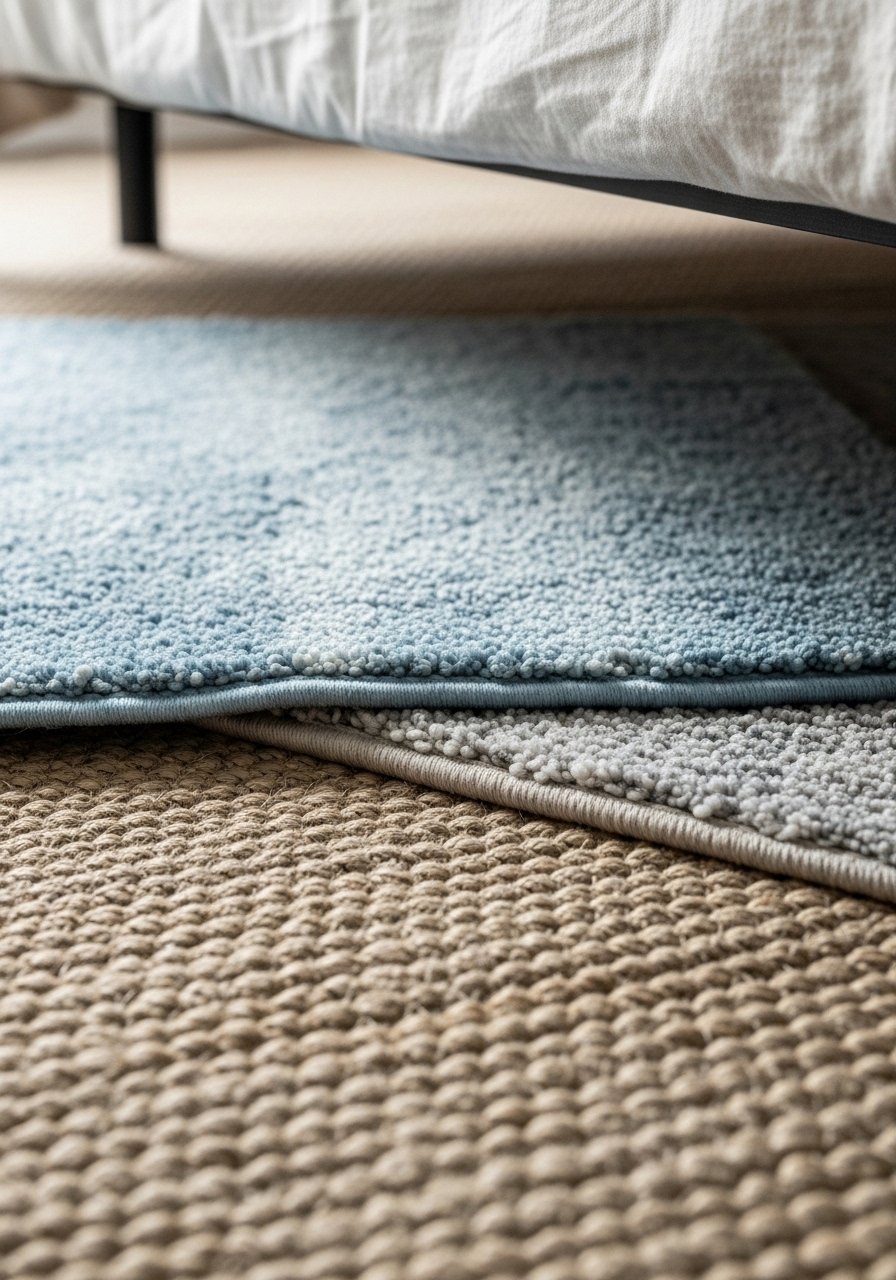
I layered a light blue patterned rug over a neutral jute rug and it grounded the bed while adding color underfoot. My first rug was too small and kept sliding. Moving to a large base rug with the blue rug centered fixed that and made the bed feel anchored.
Rug layering adds dimension and protects floors. Choose a durable base rug and a softer accent rug where you step.
What You’ll Need for This Look
11. Small Blue Glass Vases for Nightstand Styling
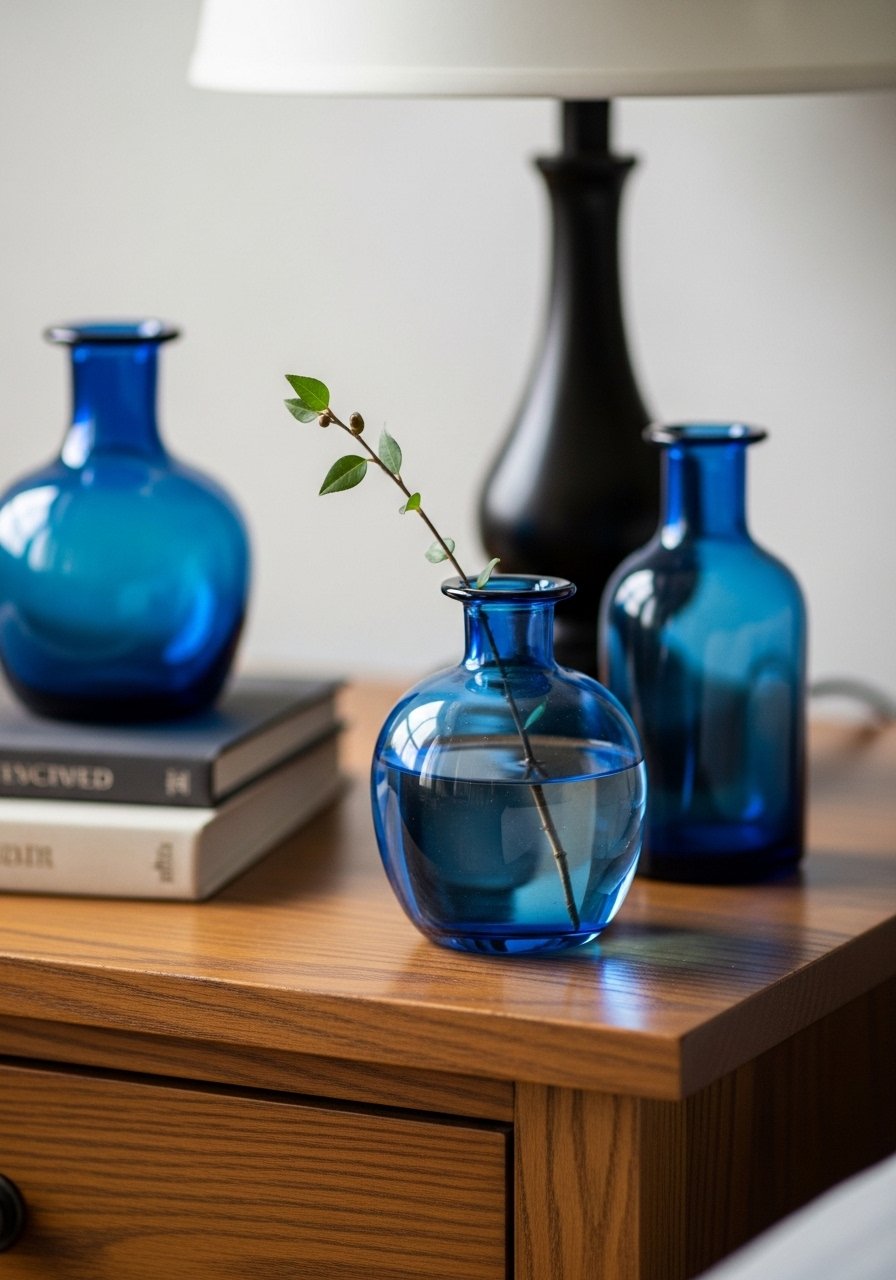
I keep a tiny blue glass vase on my nightstand with a single stem. It’s a simple touch that ties into the wall color without being literal. I once overstyled the nightstand with too many items; it felt busy. One vase, one book, one lamp — and the space breathes.
Glass reflects light and changes tone through the day. Pick a shape you like and keep it low for bedtime coziness.
What You’ll Need for This Look
12. Warm Brass Lighting Against Light Blue Walls
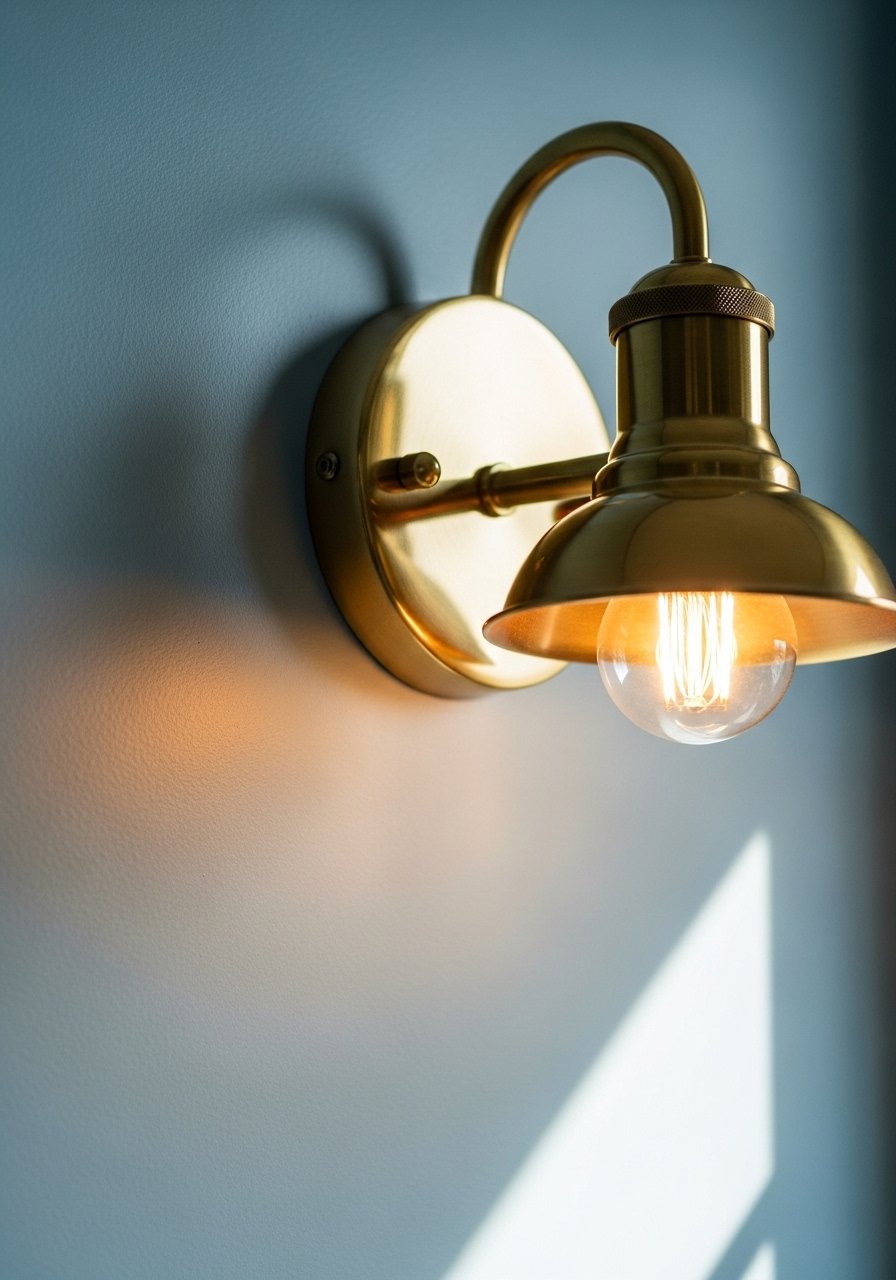
Switching to warm brass sconces made my blue walls feel cozy instead of clinical. The metal adds a warm anchor and reflects warm light back into the room. I once installed cool chrome fixtures that fought the blue; brass was the fix.
Use 2700K bulbs to keep everything warm. Position sconces so they frame the bed without casting harsh shadows.
What You’ll Need for This Look
13. Coastal Cottage Vibe with Rattan and Blue Accents
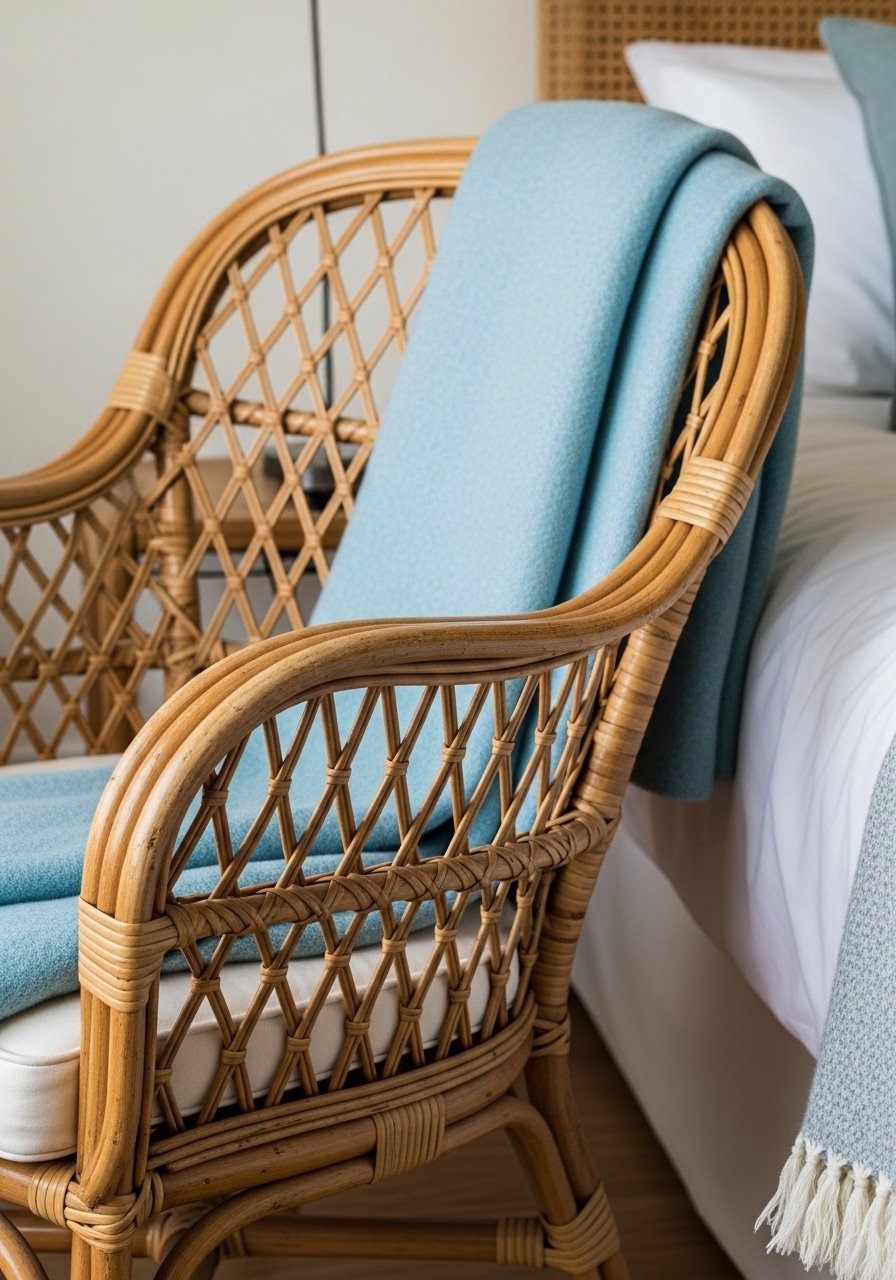
I leaned into cottage vibes with a rattan chair and blue accents. The natural weave warms the blue and gives a casual, lived-in look. I once used plastic rattan and regretted it — natural materials look better aged.
This works well when you want relaxed style. Scatter a blue pillow on the chair for continuity.
What You’ll Need for This Look
14. Toned-Down Navy as an Anchor, Not the Main Color
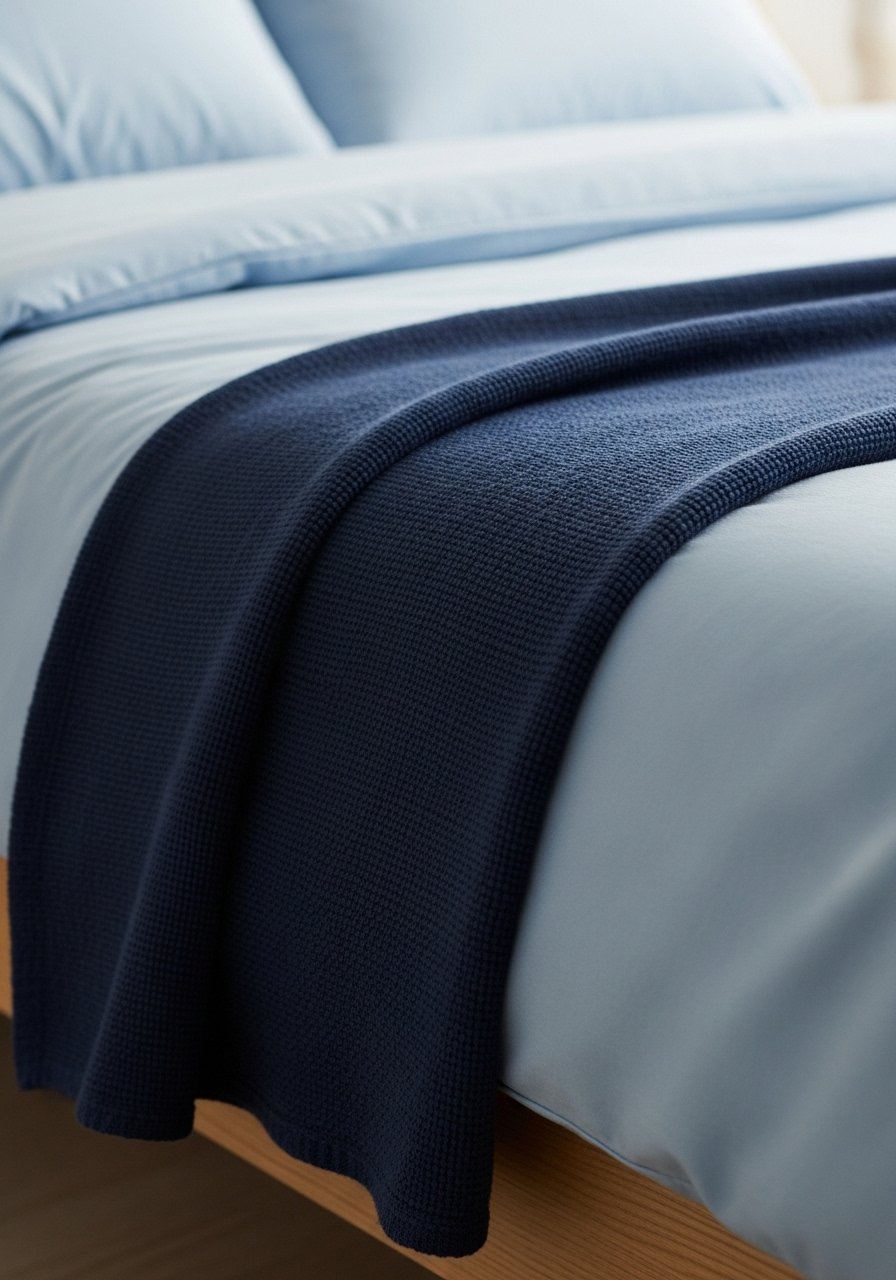
Adding small doses of navy — a folded blanket or pillow — created depth without overpowering the pale blue. Initially I painted a whole wall navy and regretted it; smaller accents were a smarter move. Navy acts as a grounding accent and complements light blue beautifully.
Use navy sparingly: one blanket, one pillow, or a lamp base is enough.
What You’ll Need for This Look
15. Minimalist Blue Workspace in the Bedroom Corner
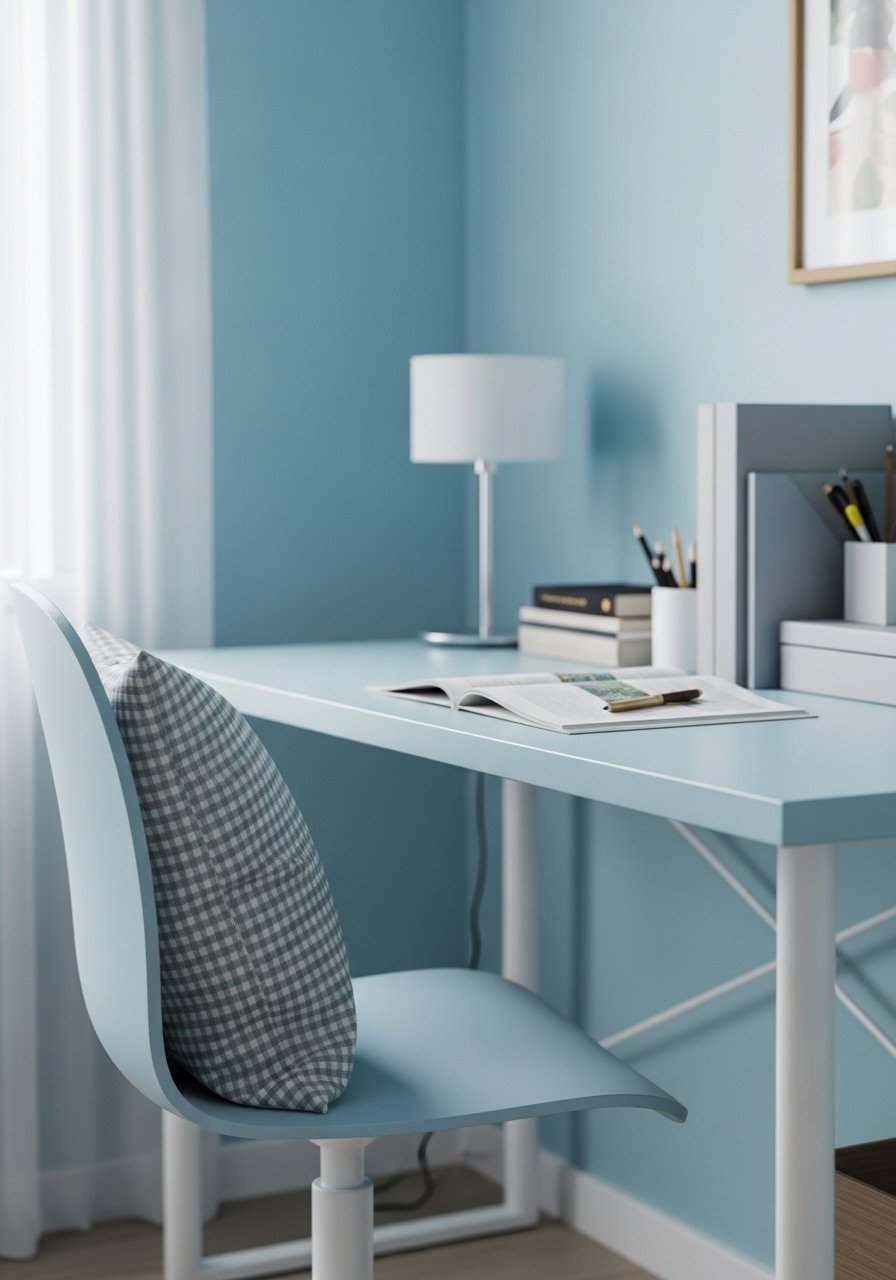
I created a tiny workspace with a light blue backdrop so it felt like part of the room. A slim desk and small lamp made it functional without clutter. My first desk was too deep and ate floor space; switching to a narrow profile solved that.
Keep the desk minimal — a lamp, a tray for essentials, and a chair. It becomes a soft, usable corner not a full office.
What You’ll Need for This Look
16. Blue-Toned Gallery Wall with Family Photos

I created a small gallery with blue-toned photos and it made the room feel personal. I kept frames similar and varied photo mats to create rhythm. My first attempt used mixed frame colors and it looked chaotic. Uniform frames made everything read cohesive.
Print a few photos with blue filters or pick pictures with sky or ocean tones for subtle unity.
What You’ll Need for This Look
17. Layering Lamps with Different Heights
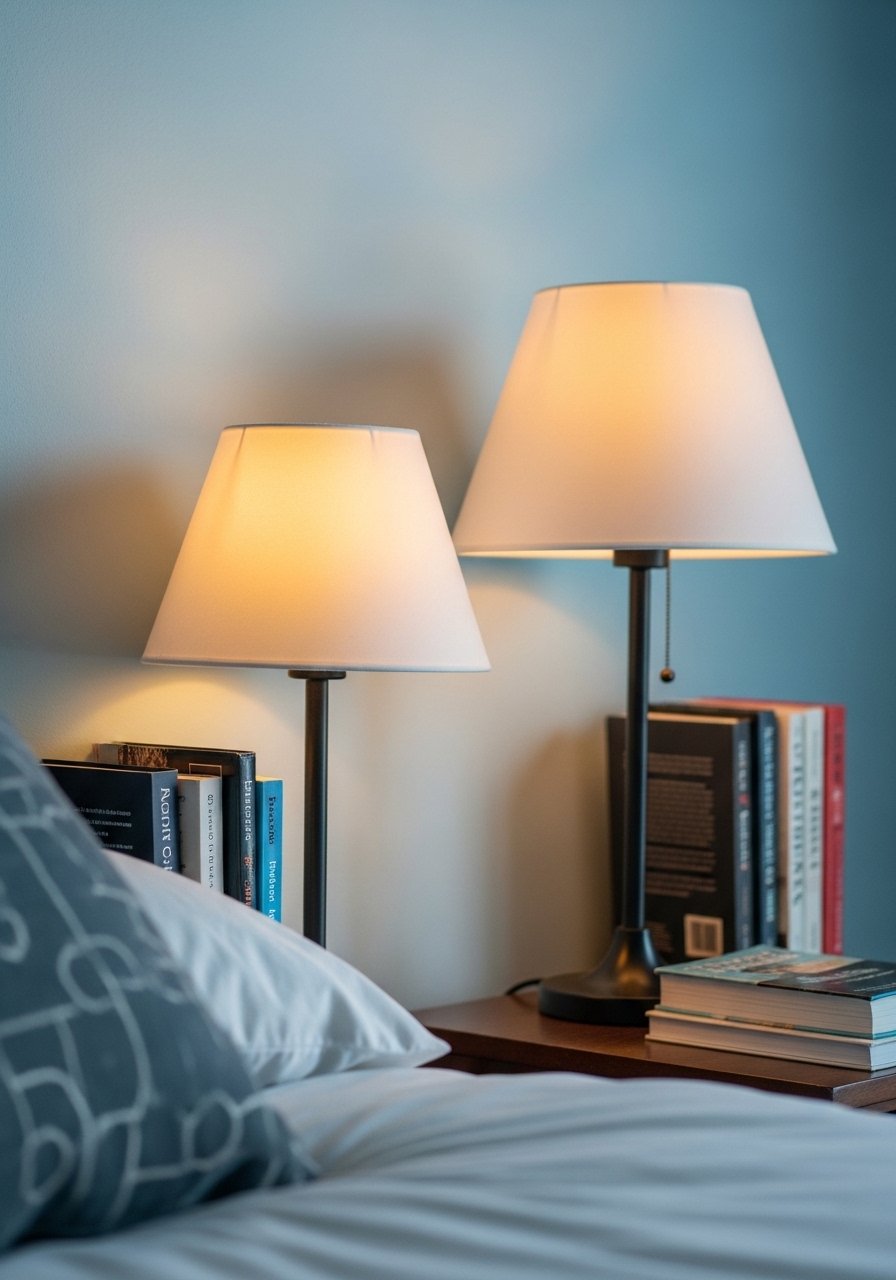
I used a tall floor lamp and small bedside lamp for layered light. The varied heights make the room glow more naturally at night. I once relied on a single overhead fixture and the room felt flat. Layering lamps created pockets of light for reading and relaxation.
Use warm bulbs and dimmers where possible. It’s simple but changes how the blue reads after dark.
What You’ll Need for This Look
18. Soft Blue Painted Built-In Shelves
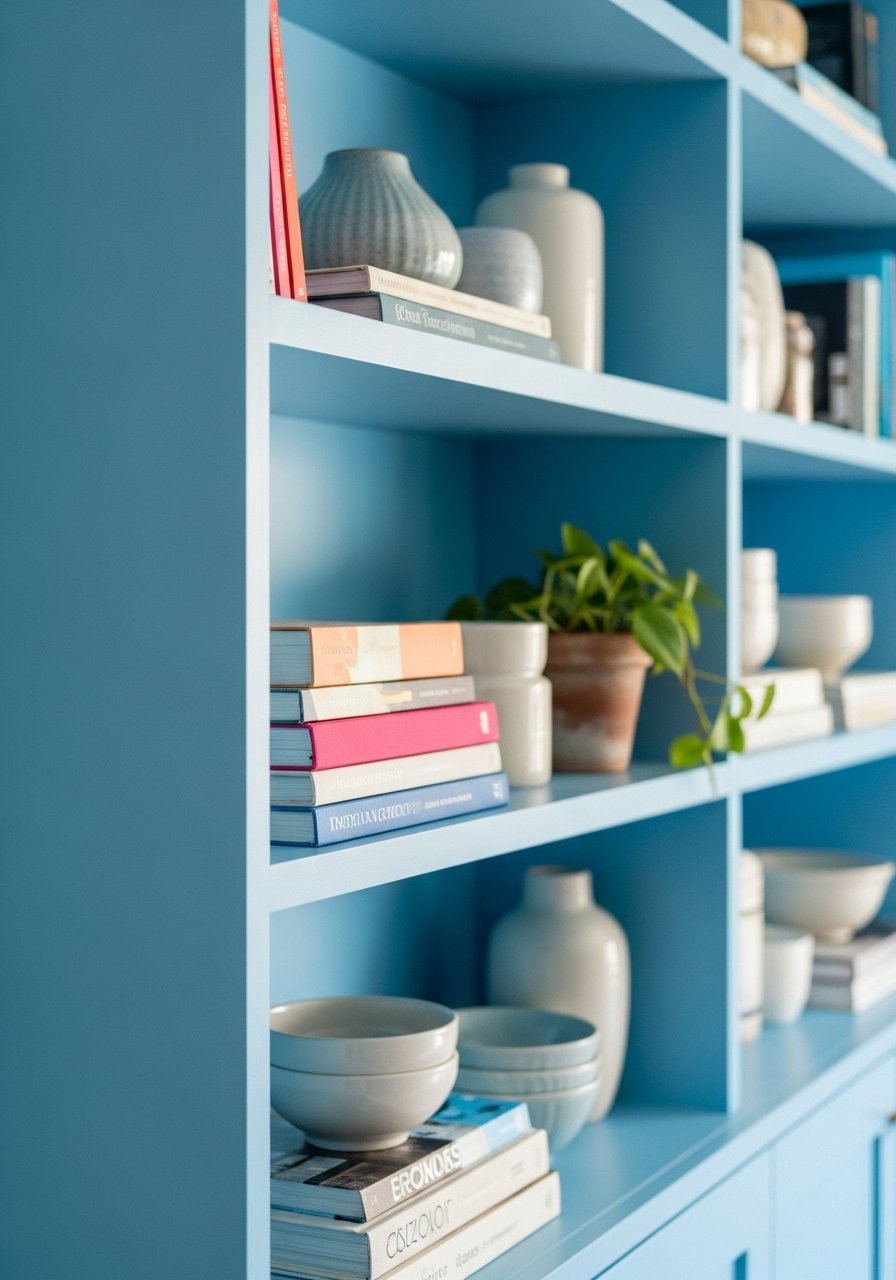
I painted built-in shelves the same light blue as the wall and used them to display ceramics and books. It made storage feel integrated and calm. My first shelf styling was too symmetrical; adding a few mismatched items made it feel real.
Painted shelves are a small commitment that makes storage feel decorative not utilitarian.
What You’ll Need for This Look
19. Blue Ombre Textiles for Subtle Interest

I added an ombre blue throw and the gradient felt more interesting than a solid color. It added movement without strong patterns. I once bought an ombre pillow in a harsh dye and the colors bled in the wash — choose quality textiles.
Ombre is a quiet way to layer color and keep the room calm.
What You’ll Need for This Look
20. Add Greenery in Blue Pots for a Fresh Accent
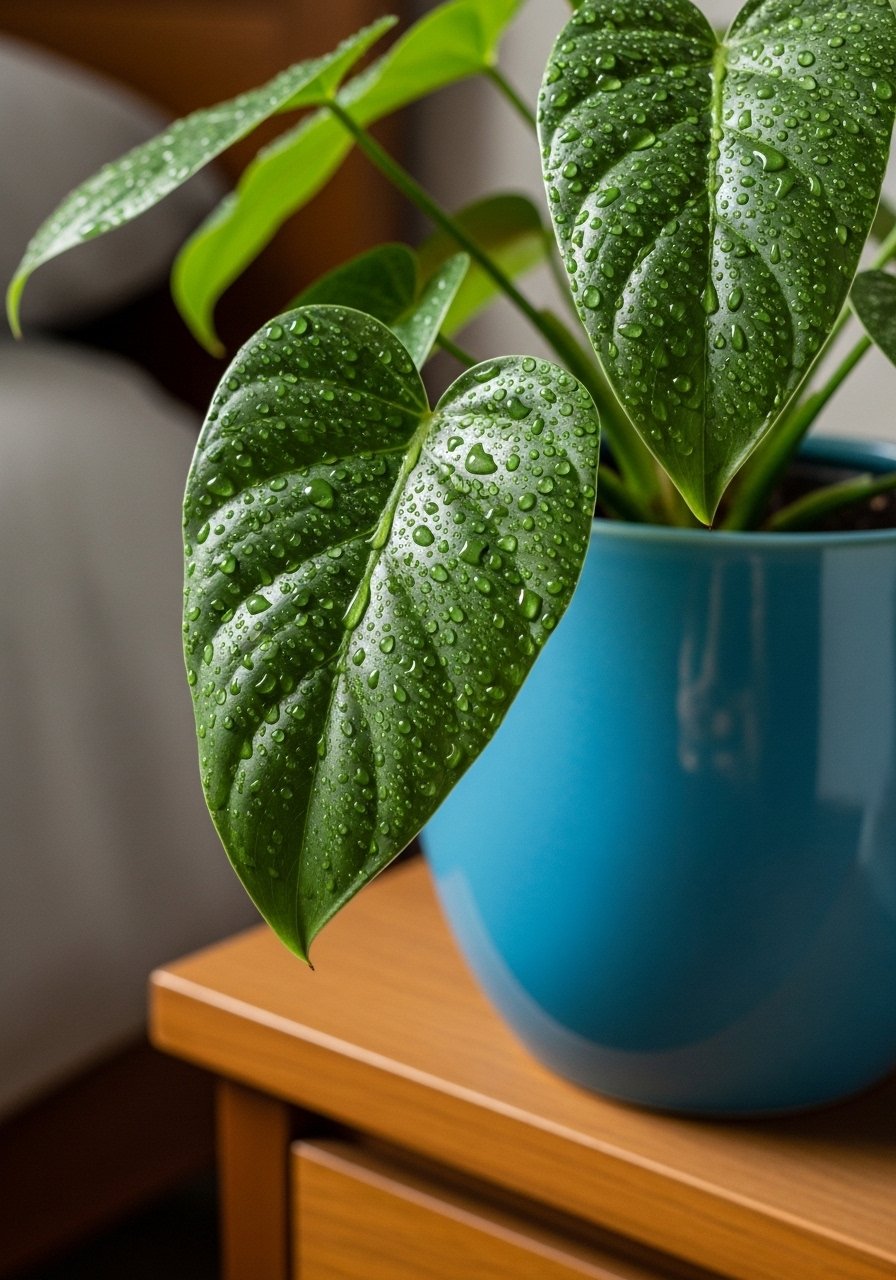
Green plants bring life to a light blue bedroom. I picked blue glazed pots that echoed the walls and it felt cohesive. My early mistake was using too many small plants that looked cluttered; a few medium-sized plants work best.
Choose low-maintenance varieties for the bedroom, and group them visually for impact.
What You’ll Need for This Look
21. Pale Blue Plaster Finish for a Handcrafted Look

I tried a plaster finish in a pale blue and loved the imperfect, handmade texture. It made the walls feel tactile and inviting. My first contractor smoothed it too much and it looked flat; the right trowel marks make the difference.
This finish isn’t for everyone, but it adds warmth and character that paint alone can’t match.
What You’ll Need for This Look
22. Soft Blue Bedding with Patterned Edge for Interest

I found a light blue duvet with a patterned edge and it felt like a small, thoughtful detail that made the bed look curated. Plain can be beautiful, but tiny trim gives personality. I accidentally bought a very busy pattern once; subtlety wins.
Look for natural fabrics and small details that reward a closer look.
What You’ll Need for This Look
23. Simple Arched Alcove Painted Blue
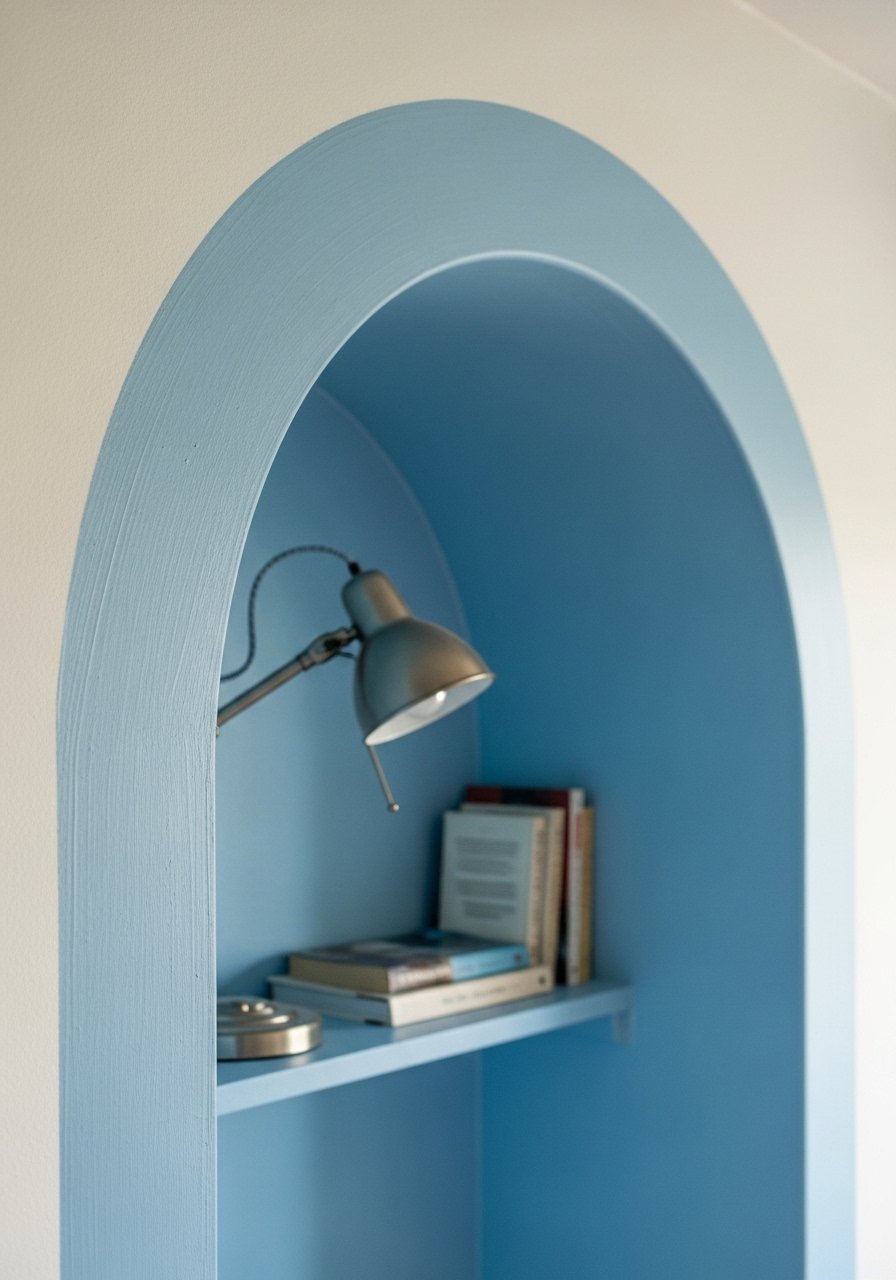
We painted an arched niche behind a bedside table and it became a cozy focal point. The shape is forgiving and the light blue paint made the niche feel intentional. I did try painting the whole wall first and it felt heavy; the alcove was the smarter choice.
This is an architectural trick that adds quiet drama without loud color.
What You’ll Need for This Look
24. Blue-Accented Storage Baskets for Clutter Control
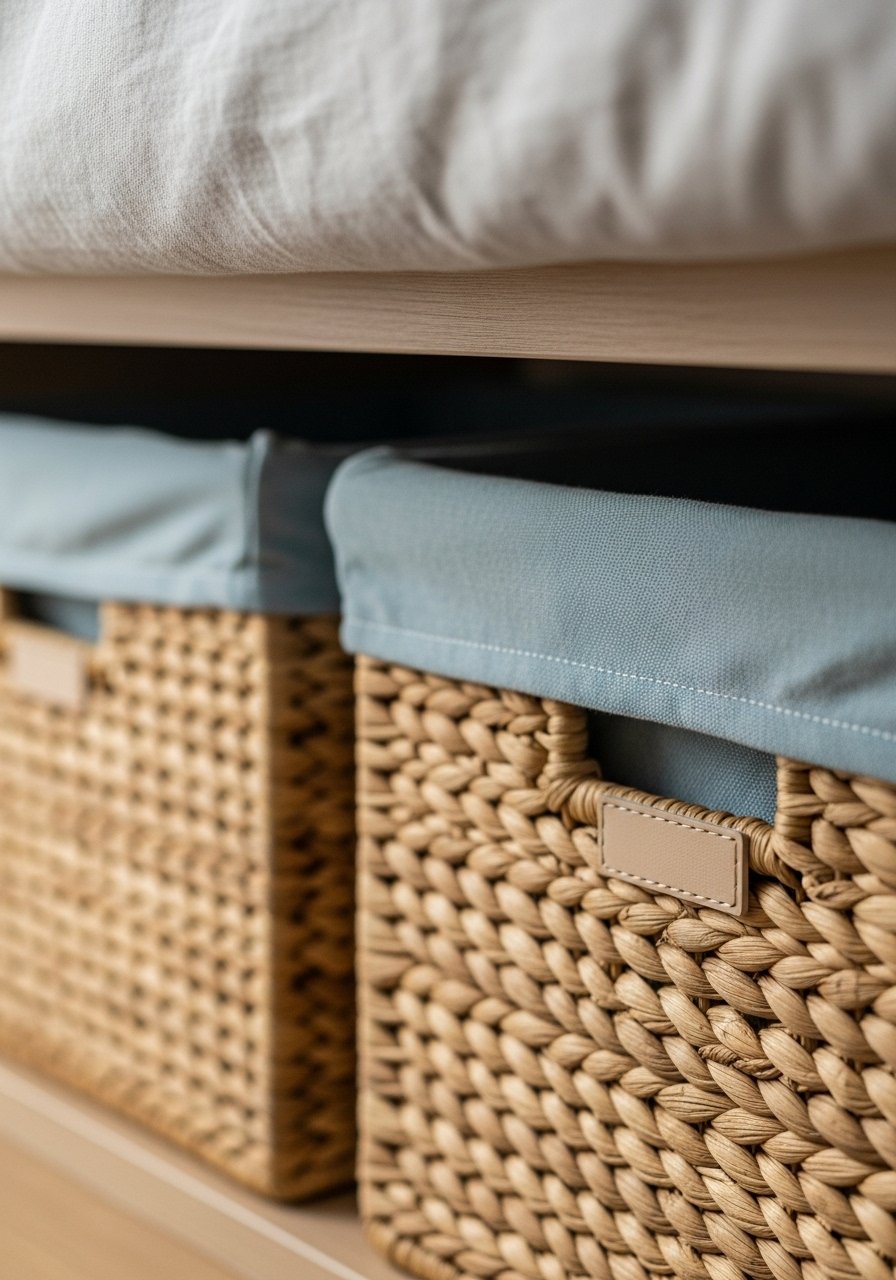
I use woven baskets with light blue liners to hide clutter and echo the room color. They keep the space tidy and soft. My mistake was buying rigid plastic bins that stuck out; baskets blend in and feel intentional.
Pick a few sizes and keep daily clutter corralled for a calmer vibe.
What You’ll Need for This Look
25. Soft Blue Accent Chair for a Reading Nook
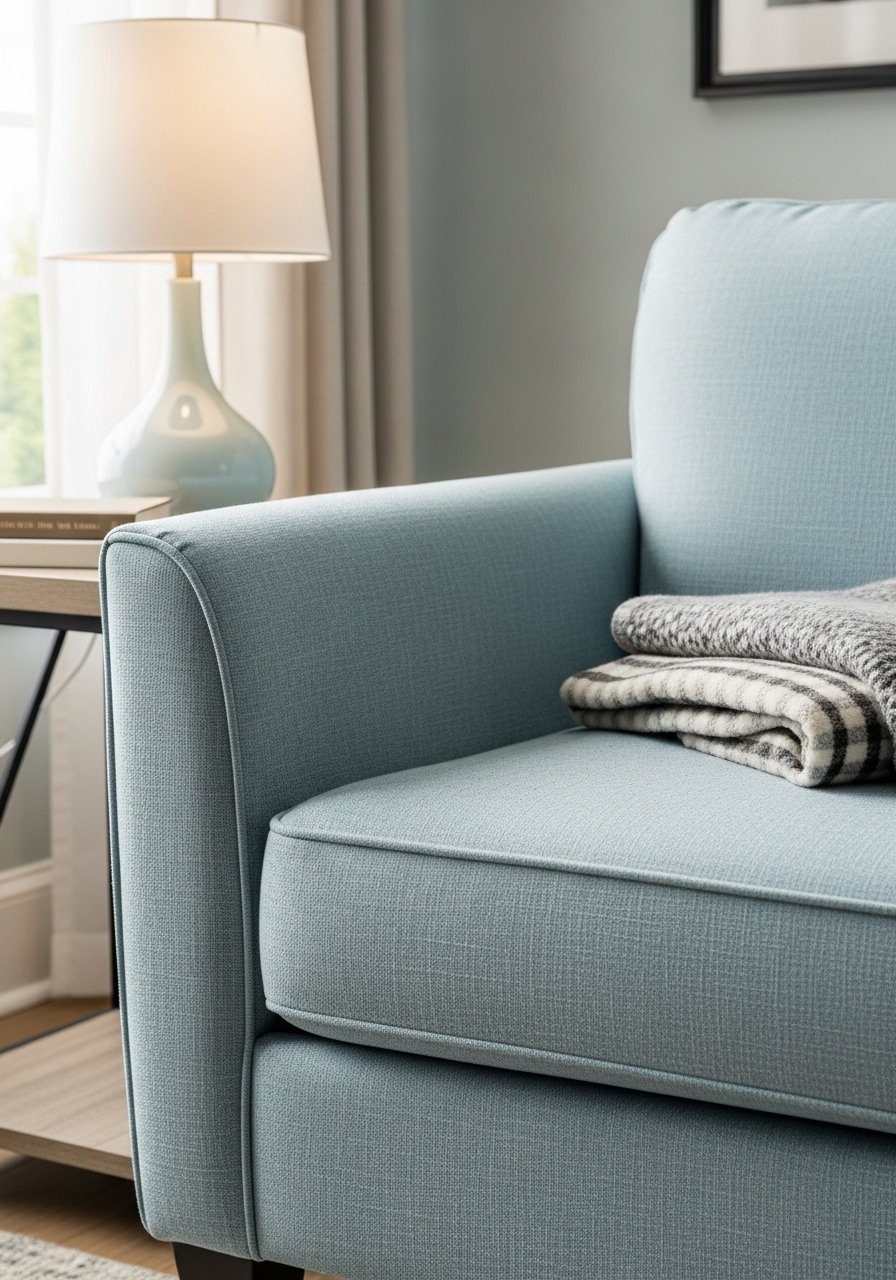
I added a light blue upholstered chair in a corner and it became my favorite reading spot. The chair felt like an intentional pause in the room. I once picked a chair that required a custom cushion — expensive mistake. Choosing a comfortable, ready-to-use chair saved time and stress.
Place a small lamp and side table nearby and the nook becomes usable, not decorative.
What You’ll Need for This Look
Final Thoughts
You don’t need to do all of these ideas. I mixed a few that fit my room and slowly refined them over time. Small, lived-in changes make the biggest difference.
Pick one wall, one texture, and one warm light source to start. It grows from there.